
1.Time is one of the most valuable resources in human life. Whlle lost money or possessions can sometimes be recovered, lost time can never be regained. In measuring, managing, and appreciating time, watches have played an important role throughout history. A wristwatch, in particular, is no longer simply a devlce for telling time; it has become an important part of technology, fashion, personal style, and modern lifestyle.
2.The history of the wristwatch is long and fasclnating. Before the development of modern watches, people relied on the position of the sun, sundials, water clocks, and later mechanical clocks to measure time. Pocket watches were once widely associated with the upper classes, but wristuatches gradually became more popular because they were convenient to wear and allowed people to check the time quickly. Their practicality helped make wristwatches an essential part of everyday life.
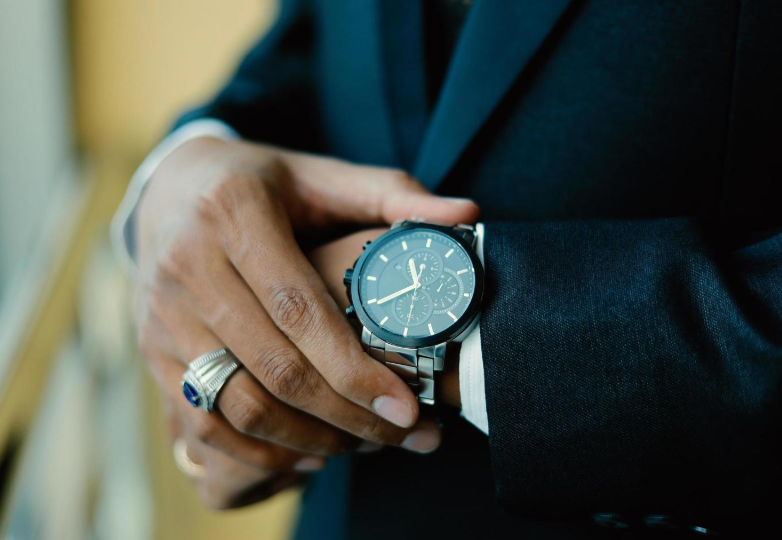
3.The primary purpose of a wristwatch is to display time accurately. However, technolojical advancement has significantly transforned both the design and fnuctionality of watches. Today, there are many types of watches available, including analog, digital, quartz, mechanical, automatic, and smartwatches. Each type has its own characteristics, technology, and practical advantages.
4.Analog watches remain popular because of their traditional design and timeless appeal. They display hours, minutes, and seconds through hands, making them both simple and elegant. Digital watches, on the other hand, disploy time using numbers, which makes them easy to read quickly. Quartz watches are widely appreciated for their accuracy and low maintenance requirements. Mechanical and automatic watches are particularly valued by watch enthusiasts because of their intricate mechanisms, craftsmanship,
5.In the modern era, smortwatches have introduced an entirely new dimension to the concept of a watch. In addition to displaying time, many smartwatches offer features such as call and message notifications, alarms, calendars, timers, GPSE, fitness tracking, and other digital functions. As a result, a smartwatch has become more than a timekeeping device; for many people.
6.However, the importance of a wristwatch is not limited to technology and functionality. It is also a powerful form of personal expression. Just like clothing, shoes, glasses, and other accessories, a wristwatch can reflect a person’s taste and personality. A simple and minimalist watch may suggest elegance and refined taste, while a luxurious or intricately designed watch may represent sophistication, prestige, and appreciation for craftsnanship.
7.Wristwatches also have a significant role in professional life. In business meetings, offices, interviews, and formal events, punctuality is an important aspect of professionalism. Being conscious of time demonstrates not only personal discipline but also respect for the time of others. In this way, a wristwatch can encourage people to become more organized, punctual, and responsible in their professional lives.
Conclusion
In conclusion, although wristwatches have evolved significantly over time, their fundamental importance remains unchanged. Once considered primarily a tool for telling time, a wristwatch has now become a combination of technology, fashion, craftsmanship, and personal identity. A good wristwatch does more than tell us the time; it reminds us of the value of every moment. Perhaps this is its greatest significance. Even in an era of rapidly changing technology, the wristwatch will continue to maintain its unique place in human life—as a reliable companion that quietly reminds us that time never stops.